
Most renovation overruns trace back to a step taken out of order, more often than they trace back to a material that ran over budget. A trade arriving on the wrong day costs a week. A trade starting before the one ahead of it has actually finished costs the wall it stood on, plus the schedule of every trade lined up to follow it. The timeline and the budget both tend to break on sequence, more often than on the materials chosen. A delayed shipment gets logged as a materials problem in most project reviews. A trade sequenced wrong rarely gets logged as anything, because by the time the extra cost shows up, the actual cause is a few steps back and no longer visible in whatever line item ends up absorbing it.
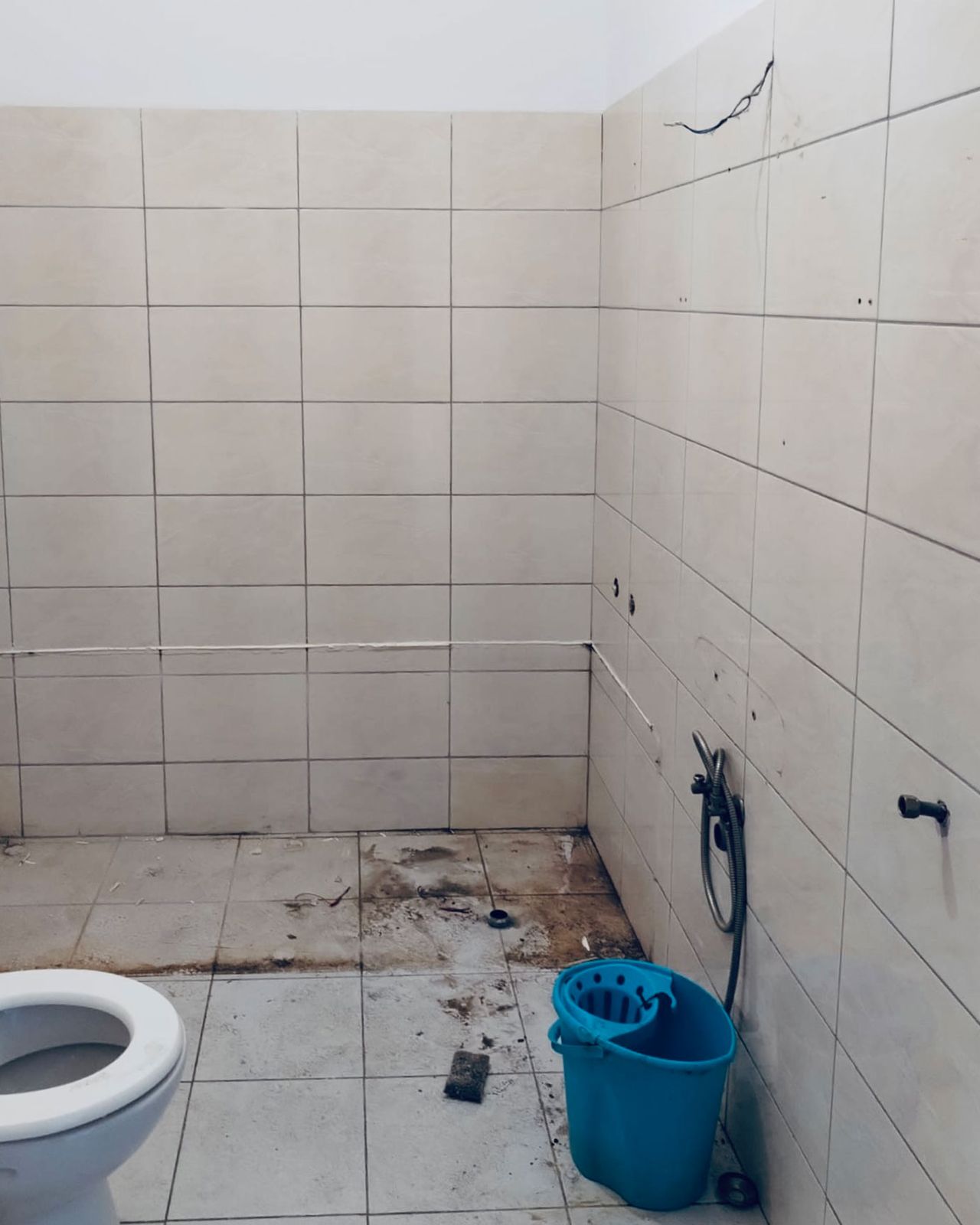
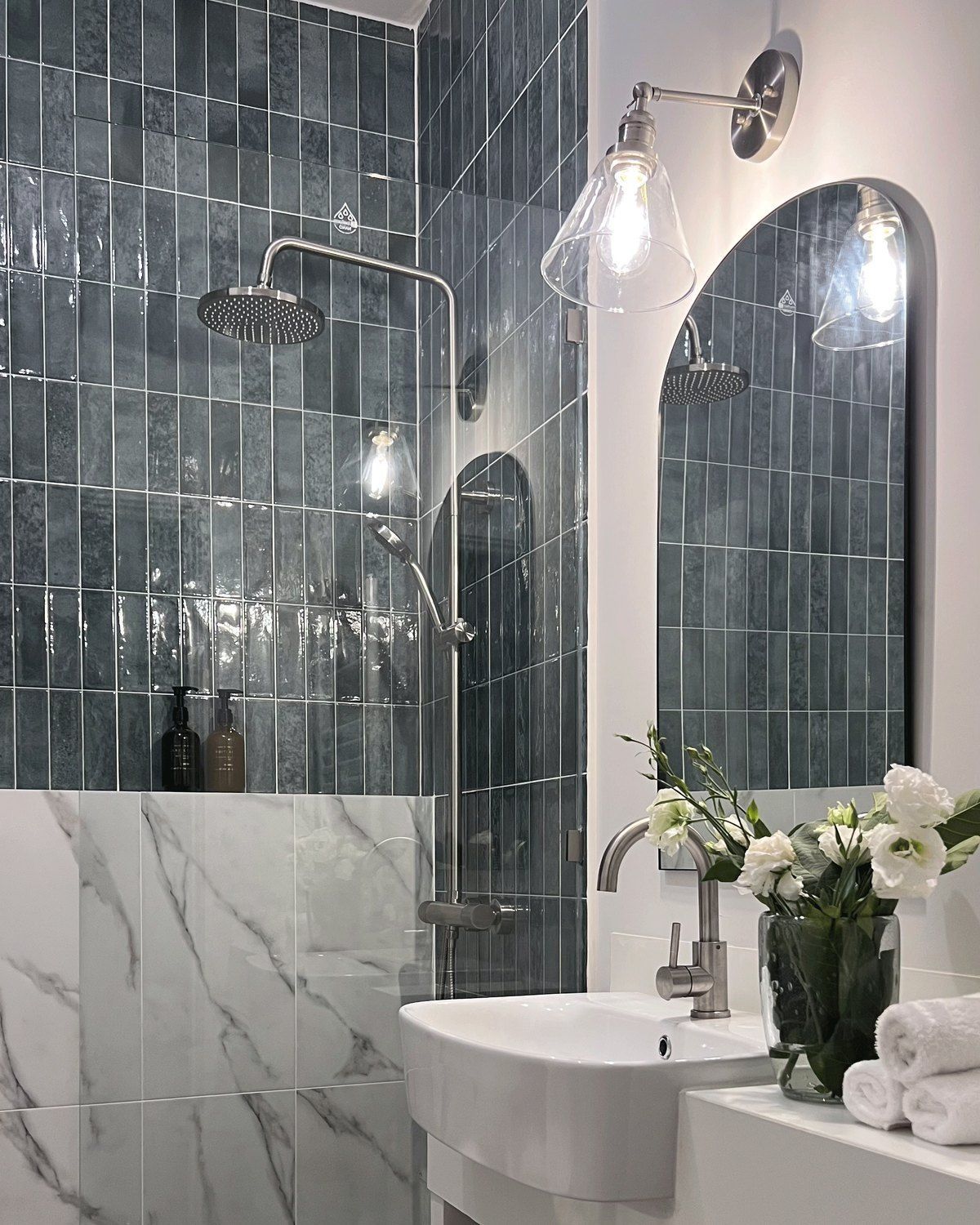
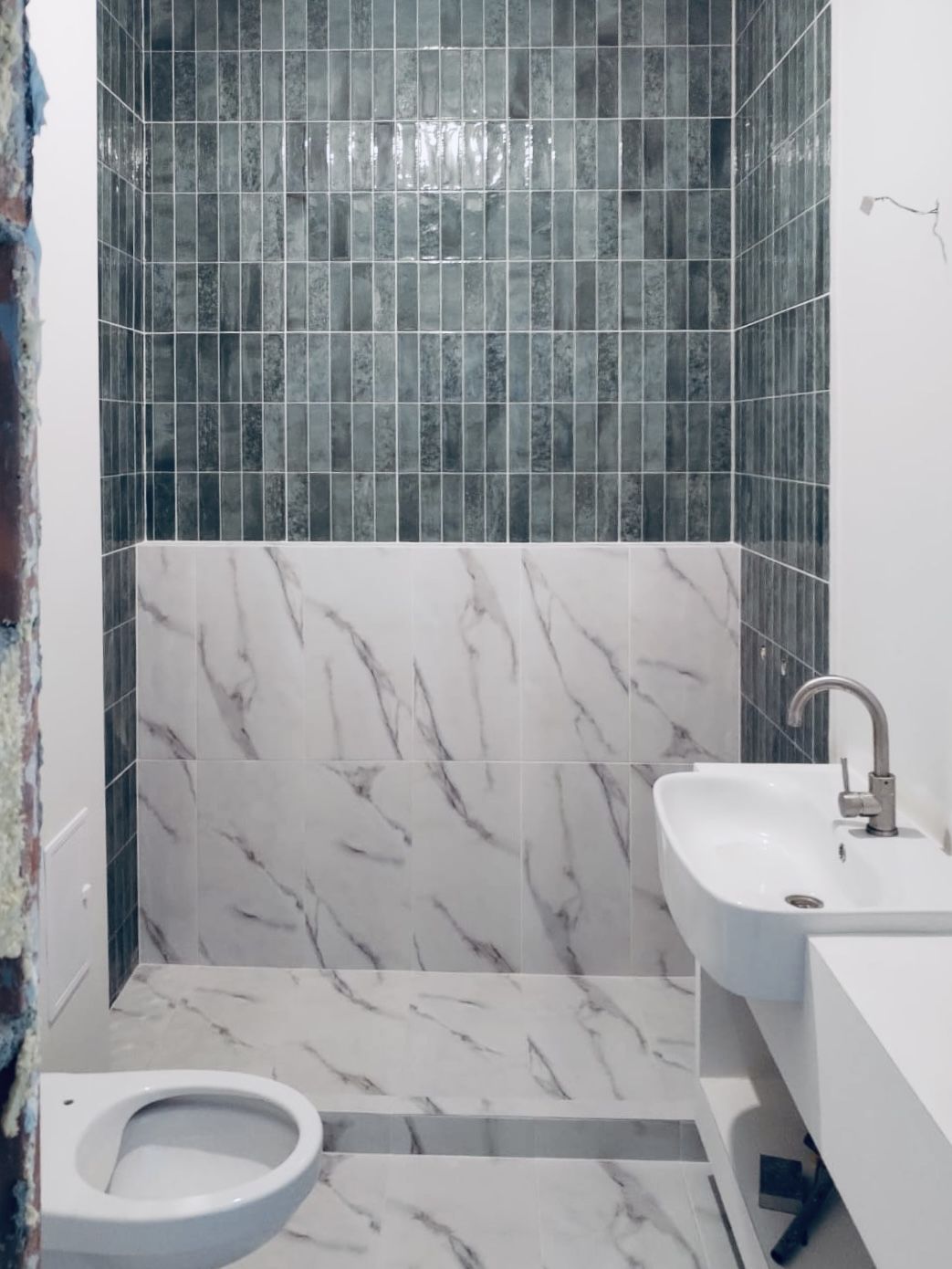
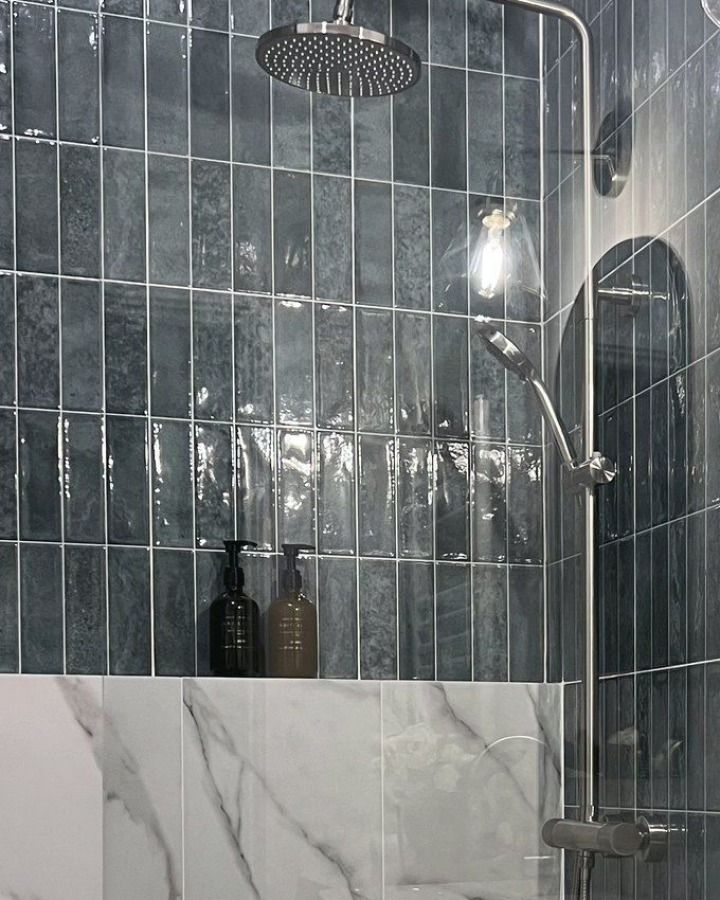
A bathroom renovation we photographed through its real stages, before, mid-tile, and after, makes the pattern visible in one project rather than in the abstract. Nothing about the sequence below is compressed for effect. It ran at the pace this kind of work actually runs at.
Waterproofing before tile
Waterproofing goes down first, and it has to cure before anyone tiles over it. That curing window looks, at a glance, like dead time on the schedule. It is not: skipping it, or tiling before a test confirms the membrane holds, is the costliest sequence error a bathroom renovation can make. A flood test, water held on the membrane for a set number of hours with no sign of it below, is how that confirmation actually happens. It adds a day, sometimes two, to a schedule that already has curing time built into it, and it is the step most likely to get skipped once a project is running behind. A leak discovered after the tile is set means the tile comes out, the membrane gets redone, and the tile goes back in, at the labor cost of doing the work twice on top of the material cost of doing it once.
Set out from the door
Before a single tile is cut, the layout gets set out from the sightline a person actually uses walking in. Full tiles land where the eye lands first. Cuts and partial pieces get pushed to corners and behind fixtures, out of that sightline. Getting the setout right is a decision made once, on paper or in the room, before the first tile goes down. That decision is made at the design stage, walking the room and marking where the eye actually lands. A setout worked out later, on site and under schedule pressure, tends to optimize for using up full tiles quickly rather than for where the cuts end up. Getting it wrong shows up as a visibly cut tile at the center of the far wall, the first thing anyone sees on entry, and there is no correcting it once the grout has cured.
Joinery built to the wall
A vanity or a built-in gets measured and built once the tiled wall exists. Tile has thickness. Grout lines add width. A finished tiled wall sits in a slightly different plane than the one a joiner would have measured a week earlier. Joinery ordered too early, to the pre-tile dimensions, either leaves a gap it was not supposed to have or arrives too wide to fit, and either way it goes back for adjustment. Ordering it after the tile is set costs a few days of waiting on a delivery. Ordering it before costs a remake.
Styling last
Once the room itself is finished, tiled, plumbed, and fitted, styling is the fastest stage in the sequence. Towels, a mirror, a tray of the right things on the vanity. It is the smallest amount of work because everything it depends on already exists. Styling attempted before the room is finished does not hold. It gets redone the moment the real fixtures arrive.
The same discipline, without construction
Property staging runs on the same order, minus the stages that carry a renovation's real cost of getting it wrong. No waterproofing, no tiling, no joinery to time around. The order is plan, install, style, shoot, and because nothing in that sequence needs to cure or set, it runs in days. A stylist working before the furniture plan is settled repeats decisions the plan was meant to make once. A shoot booked before the styling is finished photographs a room that is not ready yet. The order still holds. It is simply lighter, with no drying time built into any of its steps.
Where to start
Most renovation overruns are sequence problems that look, from the outside, like material-cost problems. If a project is at the stage where that sequence still needs setting, before a trade is booked or a stylist is scheduled, our staging team can walk through the order with you.