
People sometimes imagine that designers work from secrets. Most of the time we work from habits, small ones, repeated on every project until they stop being decisions and become reflexes. Here are five of mine. None of them require a renovation, and every one of them changes how a home feels.
Mix your sources
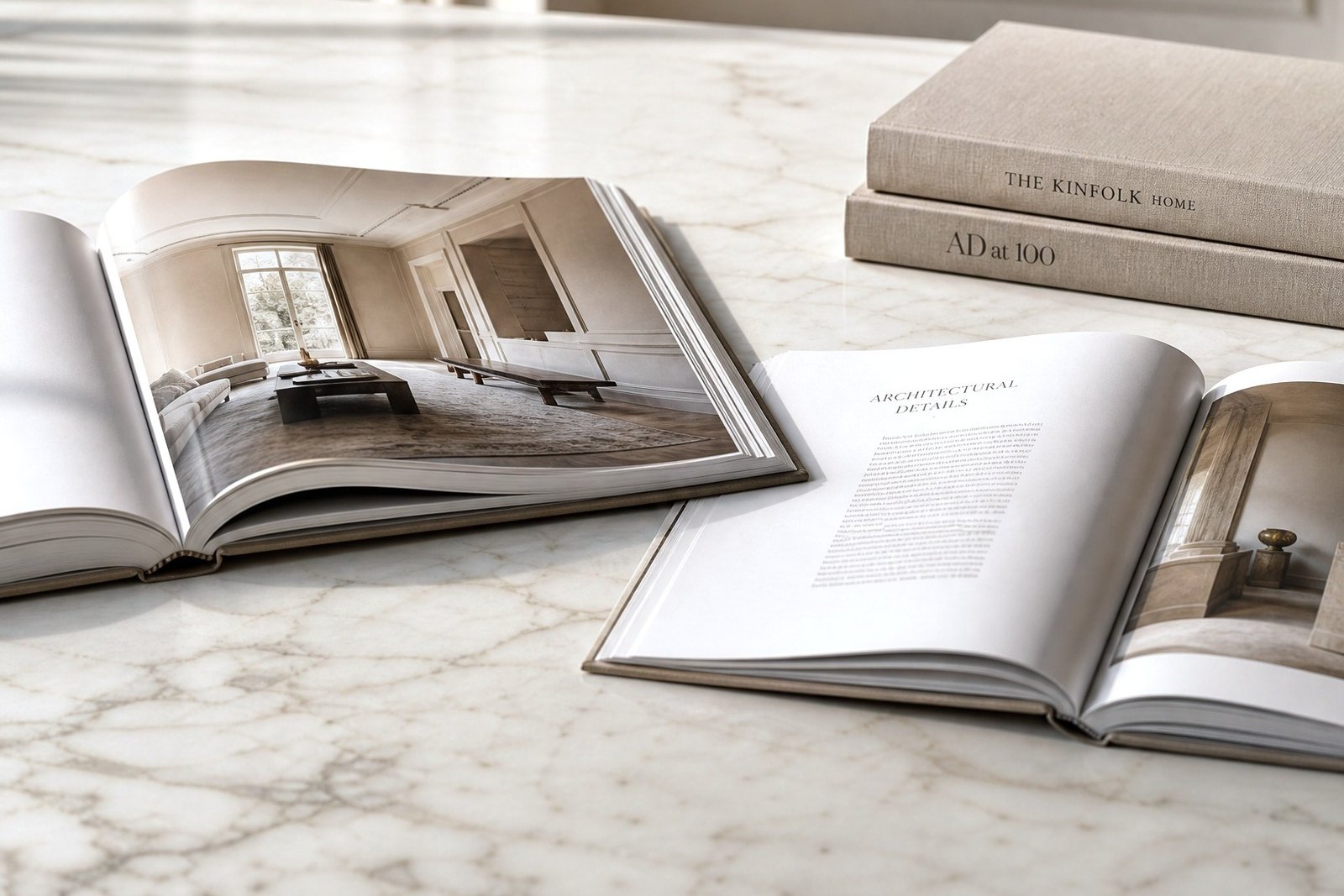
The fastest way to a generic room is a single source of inspiration. When everything comes from one feed or one catalogue, the room ends up looking like the feed. I pull from magazines, design books, hotels, travel, even a restaurant I love. Liberty in London has been feeding designers ideas for a hundred and fifty years, and it is a department store. Inspiration becomes yours at the point where the sources start to disagree with each other and you have to choose.
Never buy the whole room from one store
However beautiful the store is, buy everything there and your home becomes their showroom. The rooms that feel personal are the ones where pieces argue a little: something inherited beside something new, one confident piece against a calm base. Contrast is the ingredient.
Measure before you order
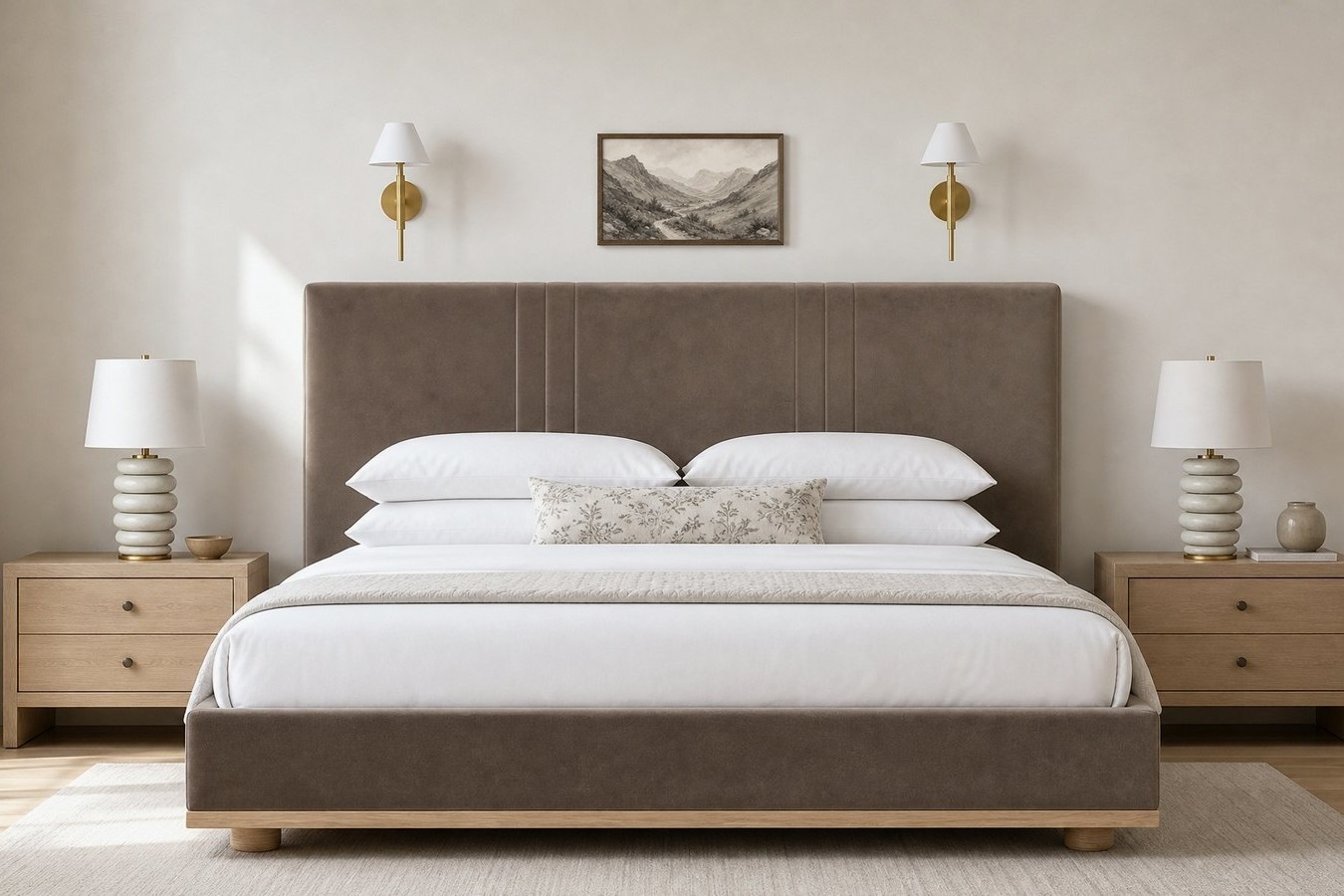
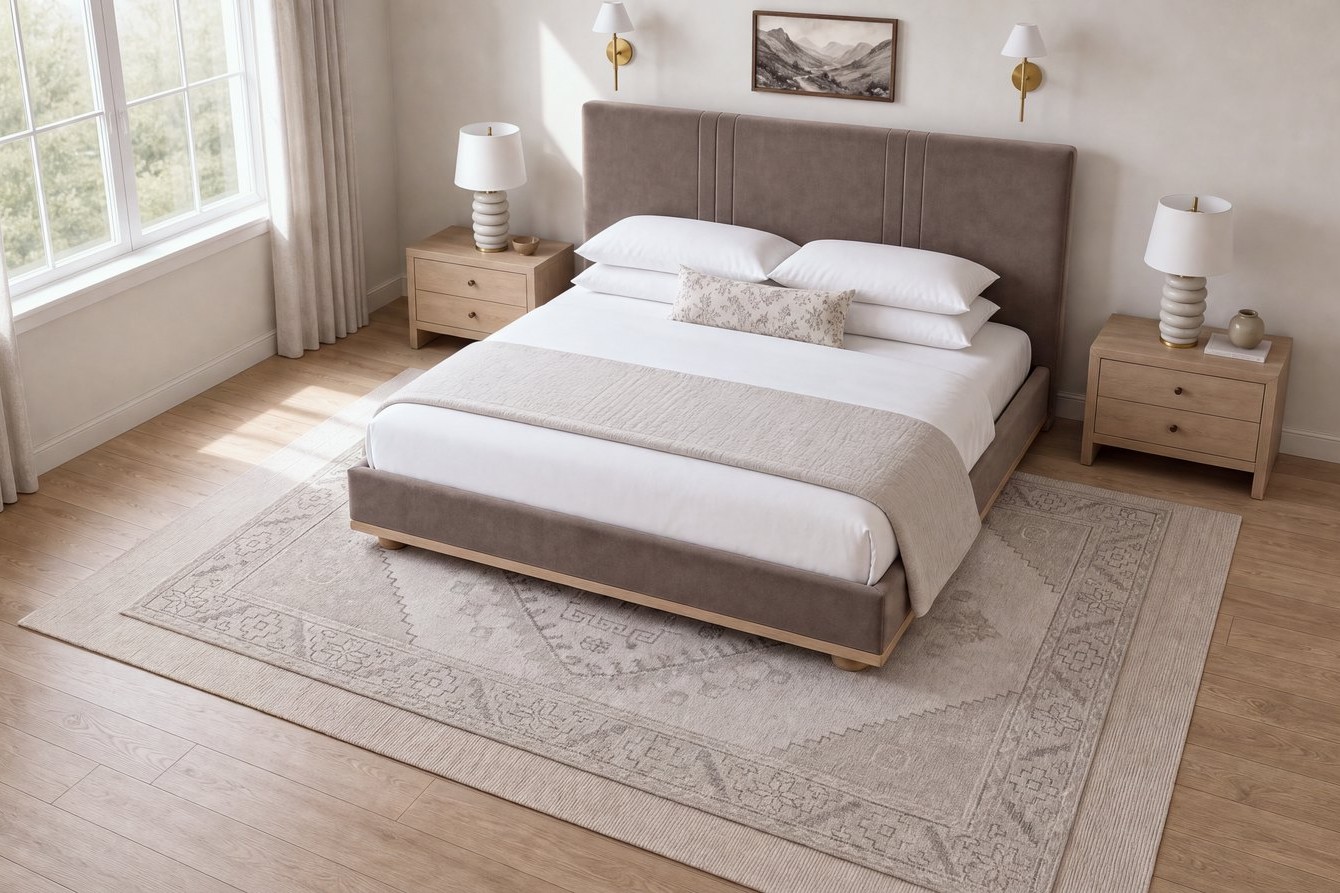
The least glamorous habit on this list and the one that saves the most rooms. Nothing gets ordered until the tape measure agrees, and where two sizes both seem possible, I take the more generous one. With a rug under a bed, for example, 60 to 90 centimetres showing past each side reads calm and intentional, though your eye will always be the final judge.
Let materials live
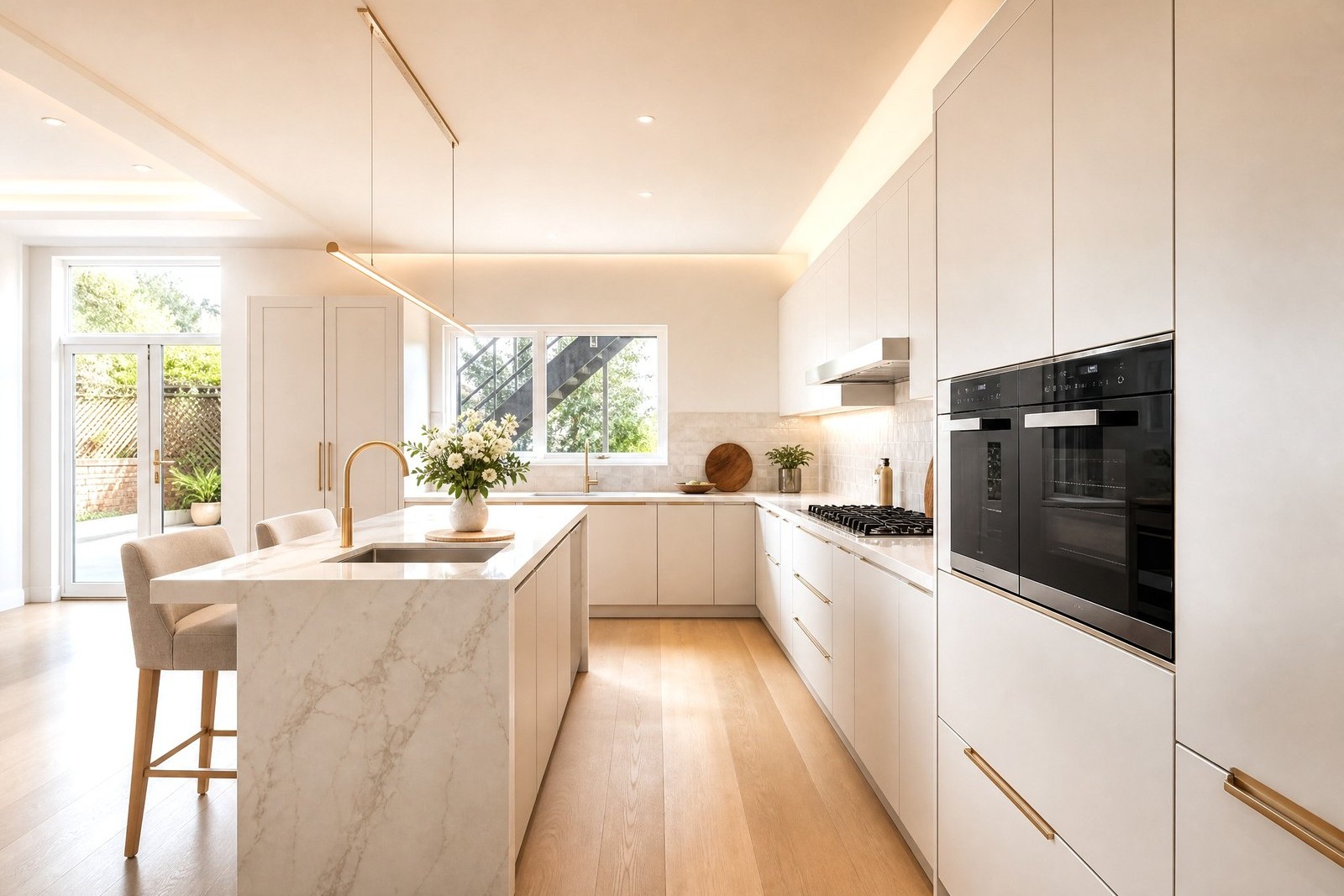
I would not try to build an indestructible kitchen, because a kitchen is made to be lived in. Marble stains. It has stained for thousands of years in Italian kitchens and it still looks beautiful. The marks that daily life leaves on honest materials have a name, and the name is patina. Choosing materials that age well beats choosing materials that pretend not to age.
Put the light where the faces are
Light falling straight down on someone's head is unkind, which is why I never place fixtures directly above the spots where people actually sit. Light should land on faces. The same rule holds at the bathroom mirror: lit from the front, at face height, so the light lands on your face. Warm bulbs and a dimmer finish the job, and the room becomes a different place at night.
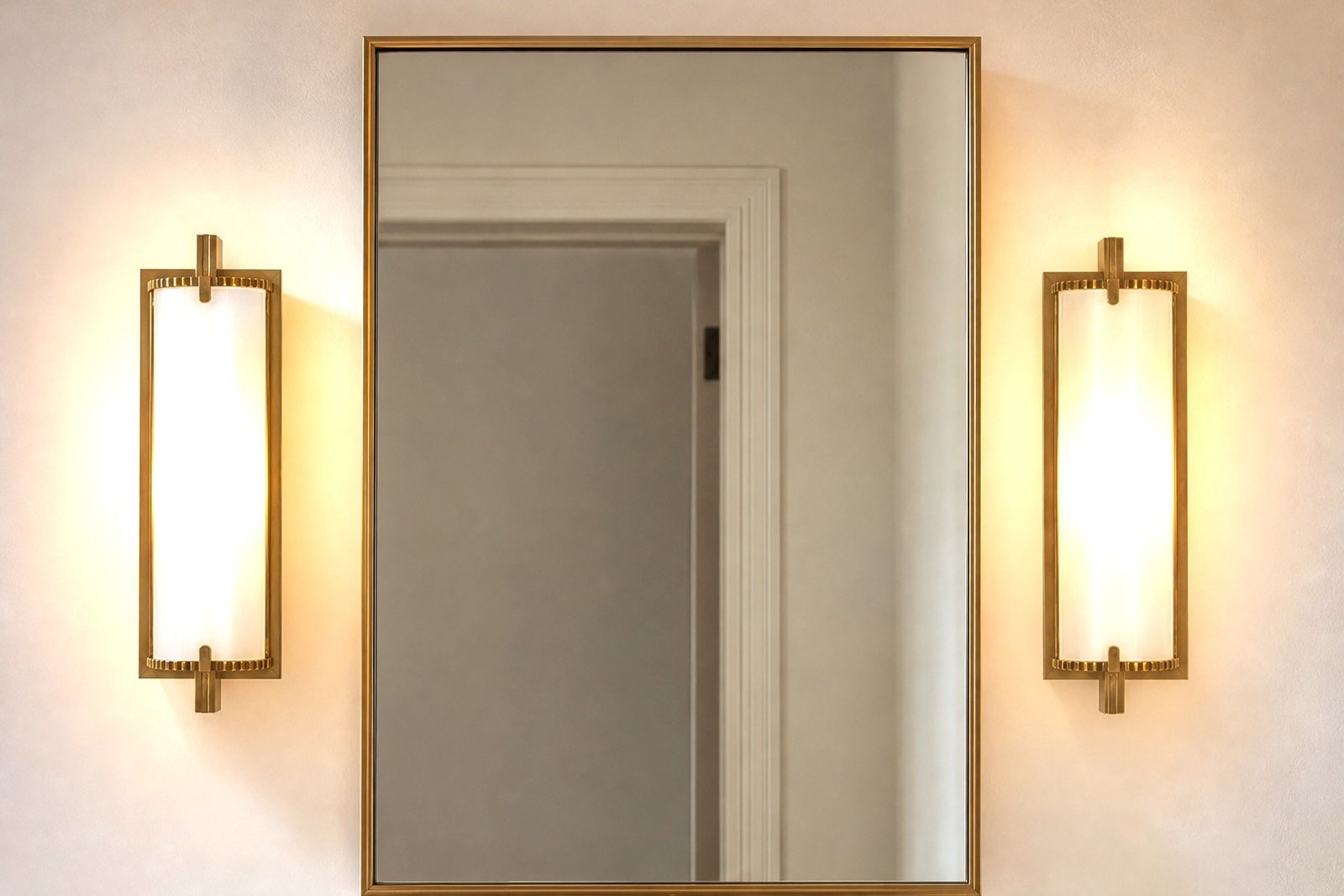
Five habits, no renovation required. This is the quiet part of how we work at Studio Sakaia: the decisions are small, the effect is the whole room.
The rooms shown are Sakaia visualisations: our design concepts, rendered to teach, not photographs of a completed project.