
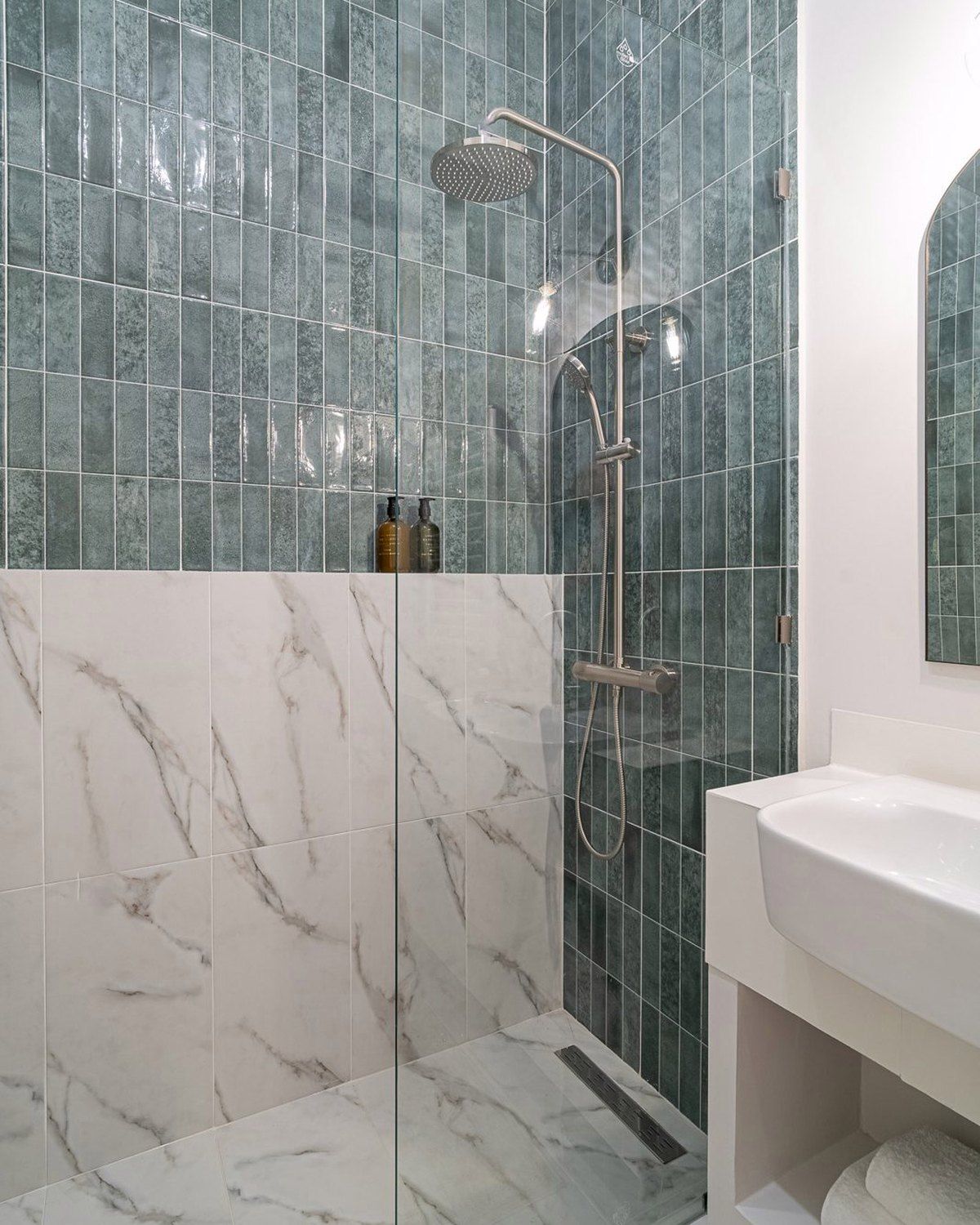
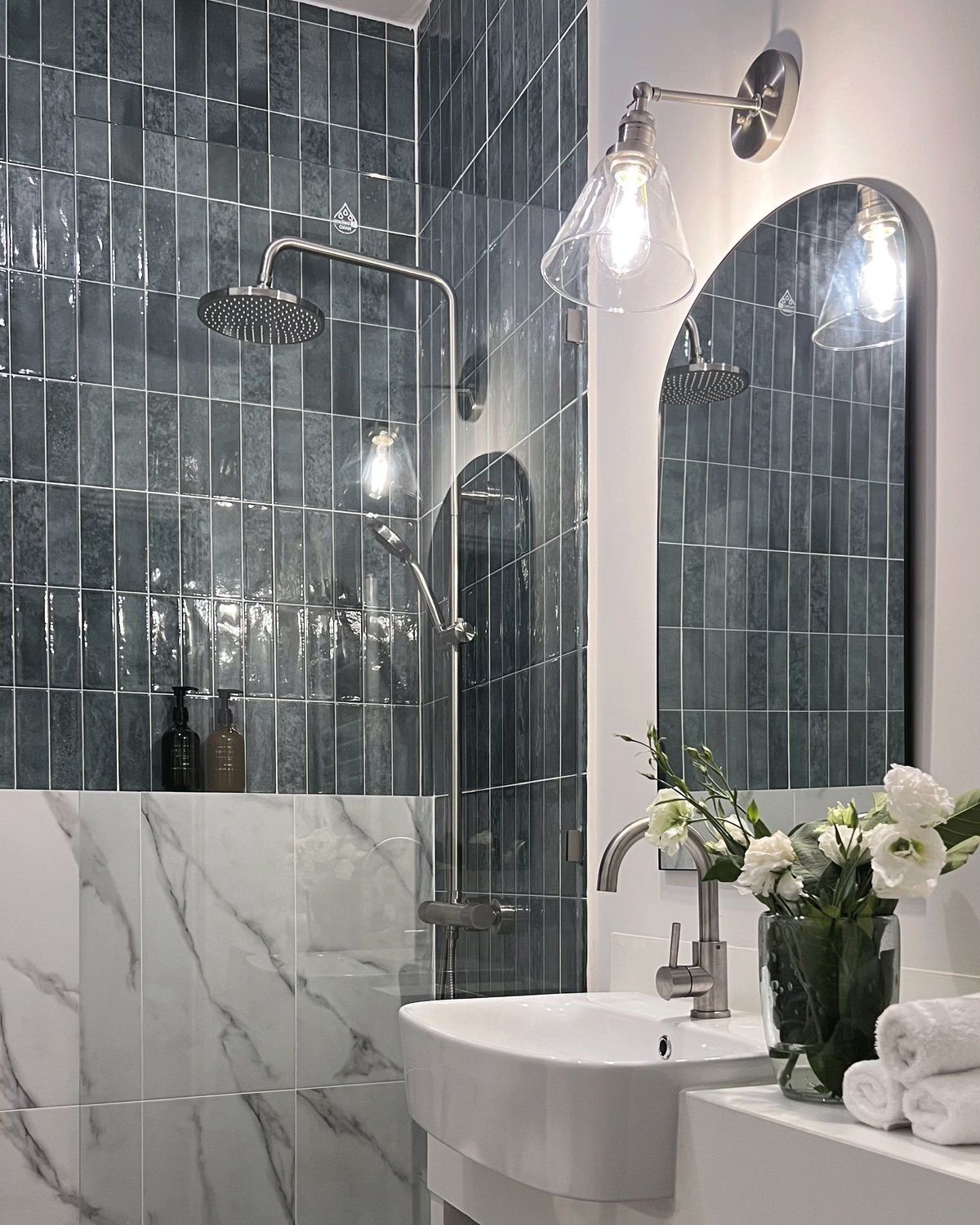
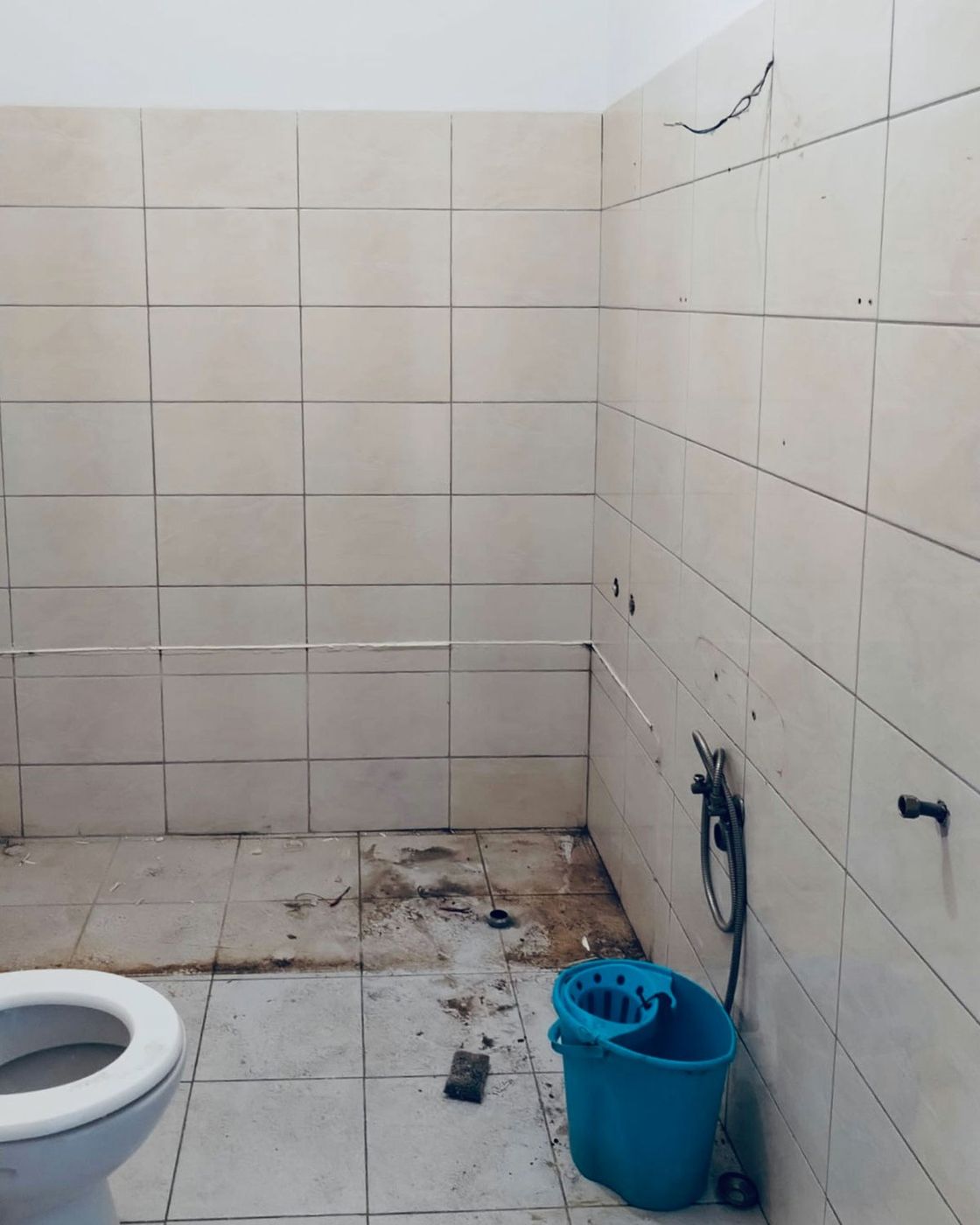
The before was the familiar kind: tired tile, dated fittings, a room that worked but said nothing. The after is fluted teal tile, marble, and a built vanity. Between them sat roughly ten weeks, and the photographs from those weeks are the useful ones, because they show what a bathroom renovation really consists of, which is mostly things you never see again once the room is finished.
The before, read properly
A before photograph is not just a record of ugliness; it is a survey document. Ours shows what the room had to give: the position of the drainage, the window, the wall that could take the vanity run. In a Dubai apartment or villa the bathroom's plumbing positions are usually the least movable thing in the whole renovation, because relocating drainage means breaking into the slab or building the floor up, both expensive and one of them often impossible. Reading the before honestly, what stays because it must, what moves because it can, is the first design decision, and it constrains every prettier decision that follows.
We kept the drainage where it was and redesigned the room around it, which is the pragmatic answer in most renovations here. The money saved on moving pipes went into the surfaces, which is where a bathroom actually earns its keep.
The middle, where the room is decided
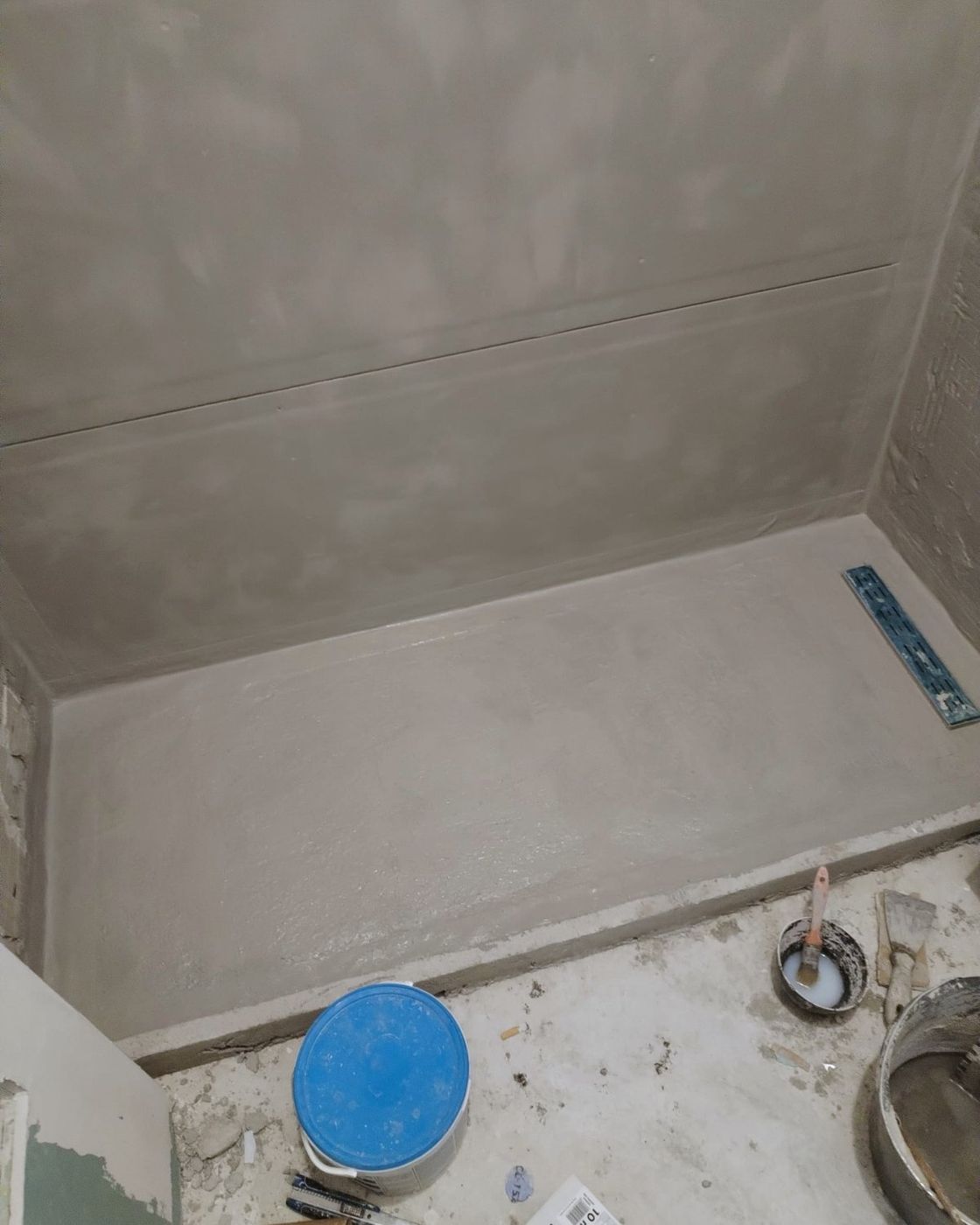
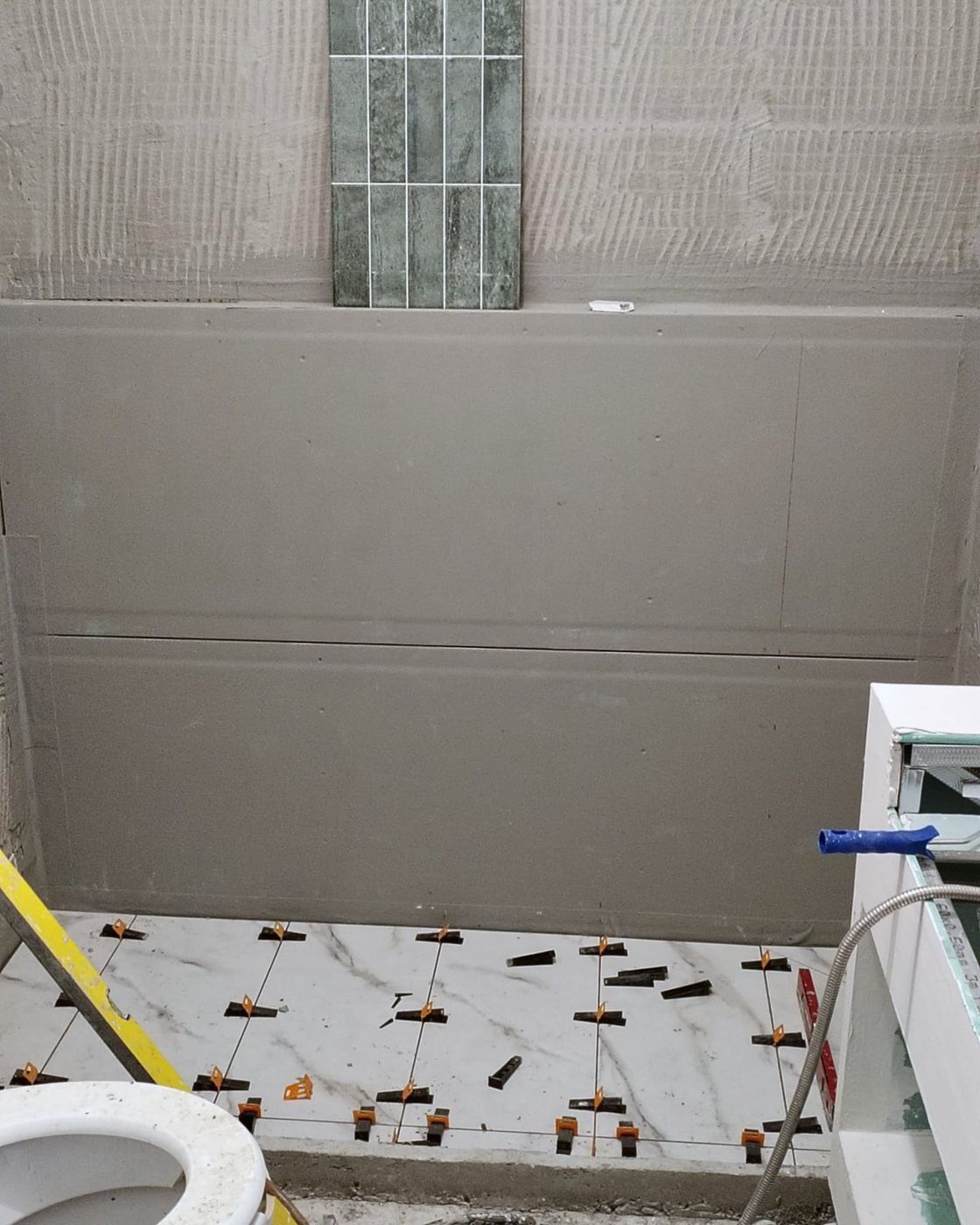
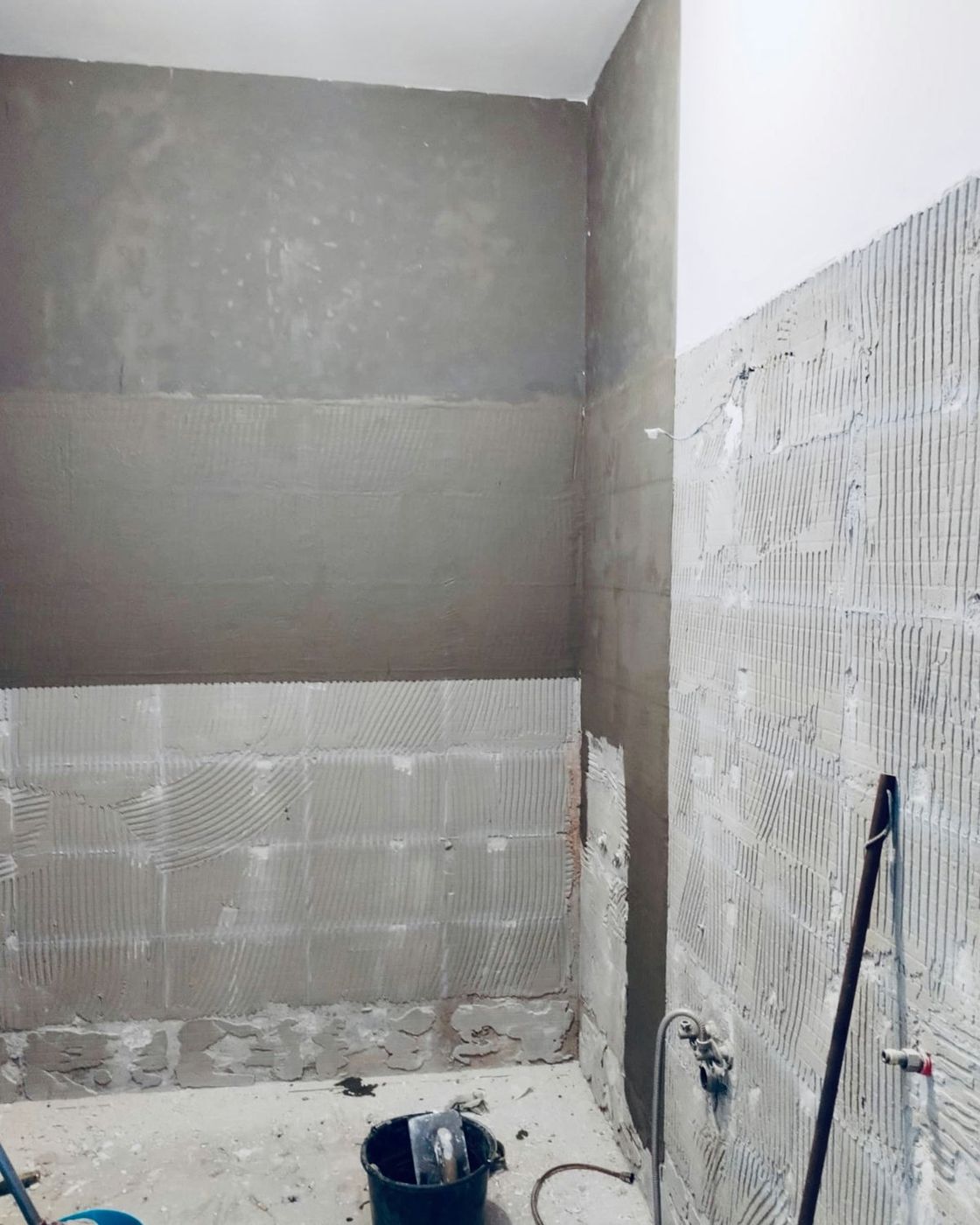
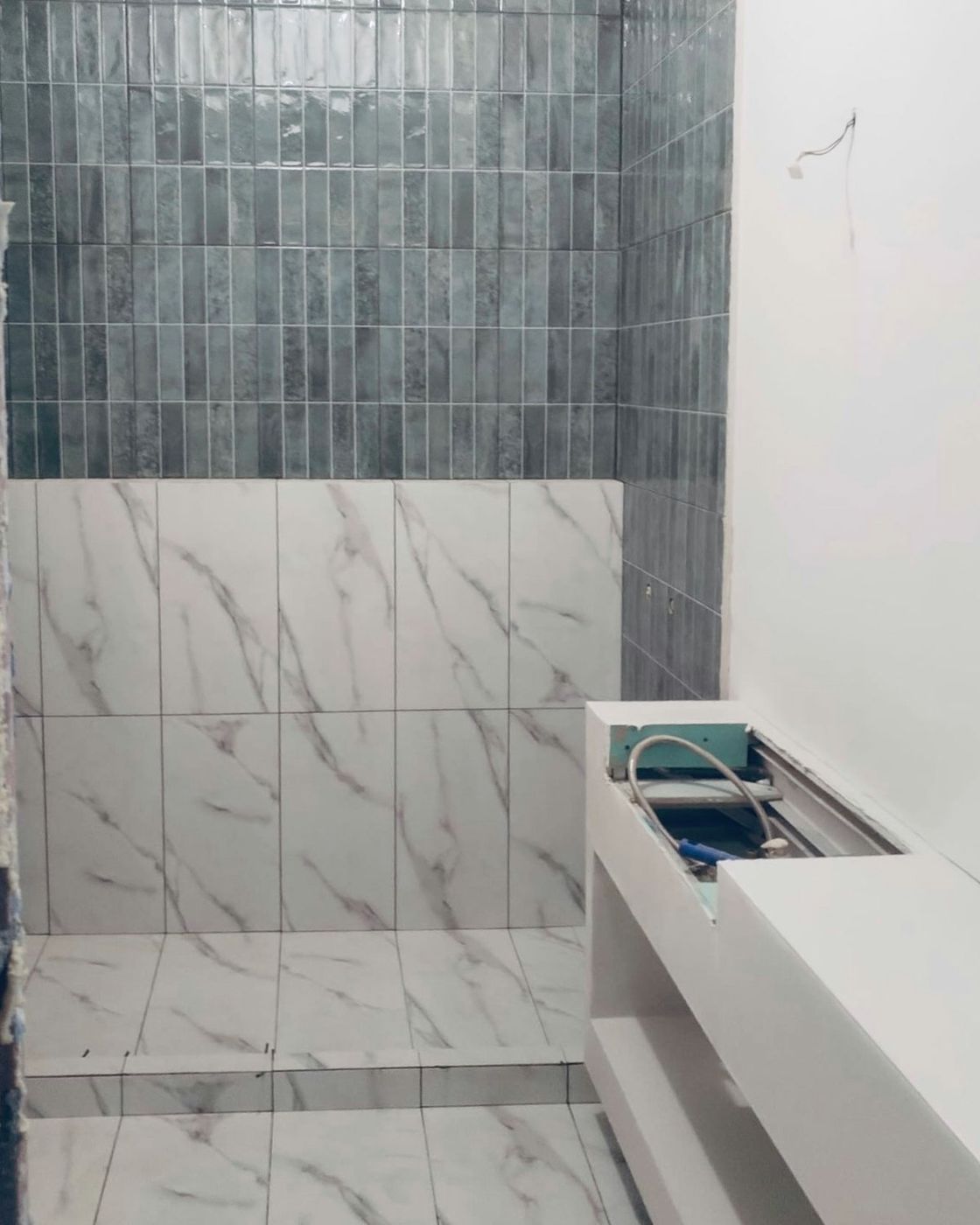
The May photographs show the fluted teal tile going up, wall by wall, and the room at its least photogenic and most important. Tiling is the stage where a bathroom's quality is fixed permanently. The setting out, where the cuts land, how the flutes align through corners, whether the courses stay level around the room, is decided before the first tile is fixed, and no beautiful material survives a careless setting out. A fluted tile raises the stakes further because, like a slatted screen, it is a repeating vertical rhythm; the eye catches a drift in the lines instantly.
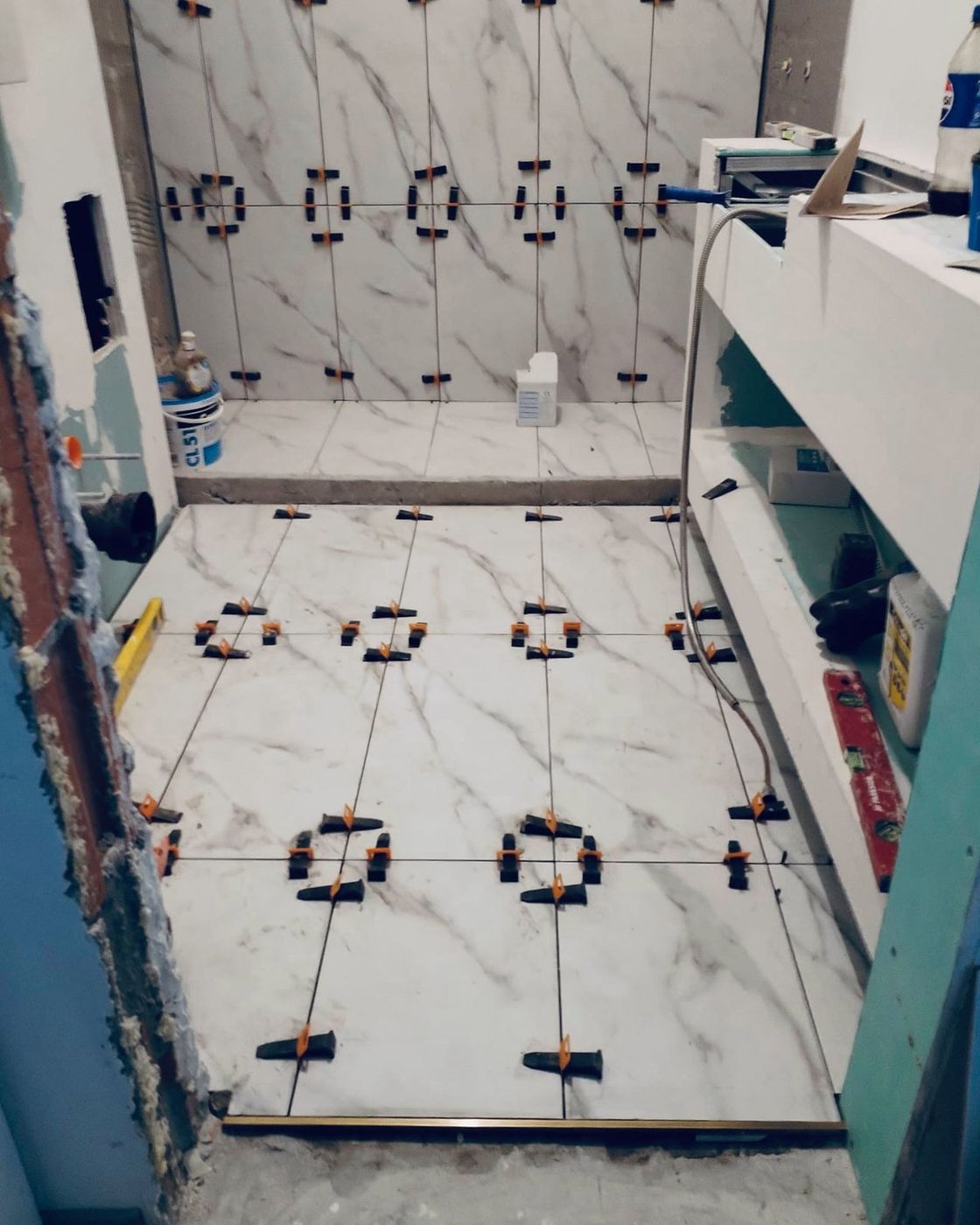
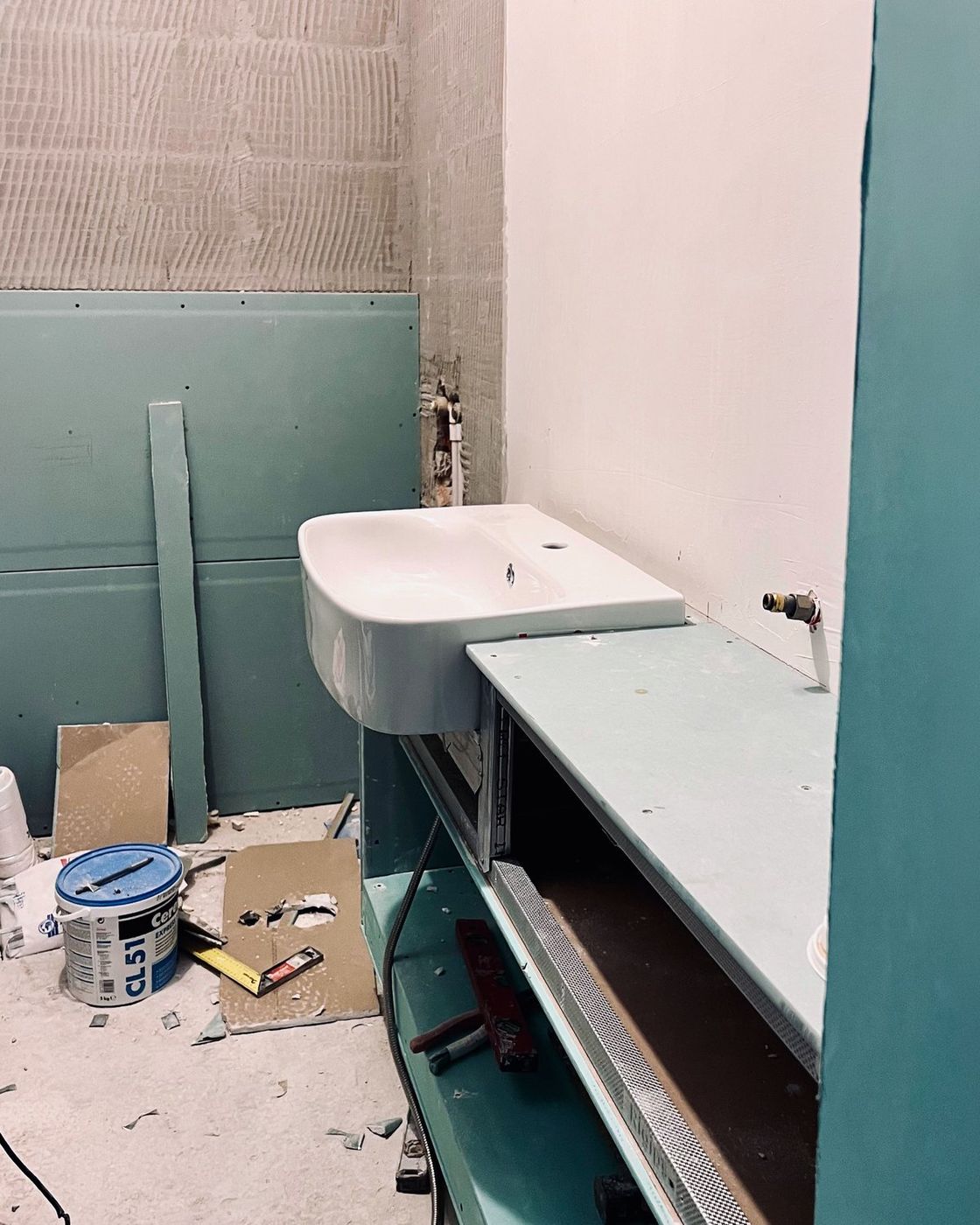
The vanity build follows in the photographs a week later, and the sequence matters. Wet trades first, waterproofing and tiling complete and cured, then joinery into a finished shell. In our fifteen-step project process, this ordering is one of the gates we hold hardest, because a vanity installed early to feel like progress just gets soaked, scratched, and rebuilt. Renovation morale runs on visible progress, and the discipline is accepting that the right sequence sometimes looks slower while being weeks faster in the end.
It is also the stage where a client, or in this case we ourselves, must resist redesigning. Mid-renovation, the room looks worse than the before, and the temptation to change course peaks exactly when changes cost the most. The plan was made in calm; the middle is for executing it. The zellige piece we wrote from the same renovation goes into what a different, more demanding tile asks of an installer at this same stage.
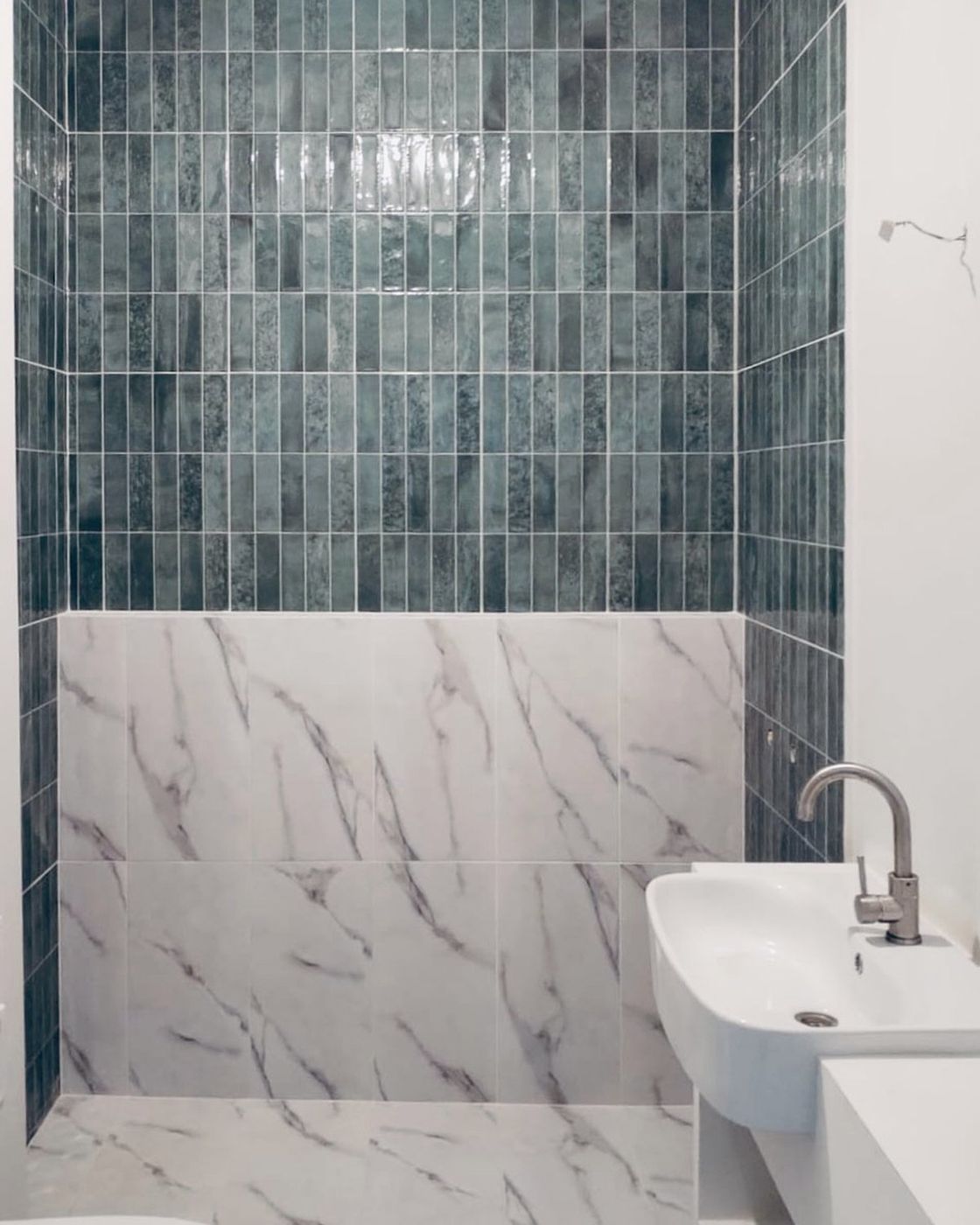
The after, and what made it
The finished room reads simply: teal flutes carrying the light in vertical lines, marble doing the calm horizontal work, the vanity built to the wall it was designed for rather than bought to approximately fit. None of the finished photographs show the waterproofing membrane, the levelling, the setting-out lines, or the fortnight of dust, and that is the point. A finished bathroom is an iceberg. The visible surfaces are a fraction of the work, and their quality is entirely decided by the invisible stages beneath them.
The teal deserves a note, because colour in a bathroom frightens people. A saturated colour works in a small room precisely because the room is small; the commitment is a few square metres, the payoff is a room with a point of view, and the marble and brass around it keep the register calm rather than loud. In a Dubai home where every other bathroom is floor-to-ceiling beige marble on handover, one small room with an actual colour is often the most memorable space in the house.
The stage worth trusting
If there is one thing to take from a photographed transformation, it is this: judge a renovation by its sequence, not by any single week's appearance. The middle stage looks like chaos to an owner and looks like a schedule to a project manager, and the difference between those readings is whether the stages are happening in the right order. Waterproofing before tile, tile before joinery, joinery before styling. A bathroom that passes through its ugly middle in the correct order comes out the other side once, and stays finished.
The before justified the project. The after repaid it. But the middle built it, and it is the stage we would show every client before they start, which is why we photographed our own.